Thinking about dental implants can feel a bit like applying for a loan—you’re worried you won’t “qualify.” But here is a secret from the specialist’s desk: in modern periodontics, there are very few “hard nos.” Most of the time, a disqualification is actually just a “not yet.”
At Chula Vista Periodontics, we specialize in turning “no” into “yes” by addressing the underlying issues that stand between you and a permanent smile. Here is a breakdown of what might temporarily disqualify you and how we fix it.
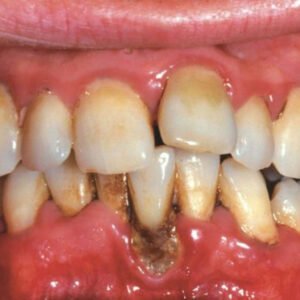
1. Active Periodontal Disease
You cannot build a house on a swamp. If you have active gum disease, the bacteria will attack the implant just like they attacked your natural teeth, leading to a condition called peri-implantitis.
2. Insufficient Jawbone Density
Implants need bone to “grip” onto. If you have been missing teeth for a long time, your jawbone may have shrunken (atrophied).
3. Uncontrolled Systemic Health Issues
Conditions like uncontrolled diabetes or certain autoimmune disorders can slow down the body’s ability to heal, which is crucial for the implant to fuse with the bone.
4. Heavy Smoking
Smoking constricts blood flow to the gums, which is the “fuel” the body needs to heal after surgery. While being a smoker doesn’t automatically disqualify you, it significantly increases the risk of implant failure.
5. Age (In Younger Patients)
Dental implants can only be placed once the jawbone has finished growing. For most people, this happens in the late teens or early twenties.
Get a Professional “Second Opinion”
If another dentist has told you that you aren’t a candidate for implants, don’t give up hope. As a specialist practice, we have the advanced tools and surgical expertise to handle complex cases that general offices cannot.
or call us at (619) 425-9770. Let’s find a way to get you the smile you deserve.