When you’re battling gum disease, your toothbrush becomes more than just a grooming tool—it’s a medical device. But here is the secret most people miss: if you have periodontal disease, brushing more isn’t always the answer. It’s about brushing smarter.
The Magic Number: Two (With a Catch)
For most patients with gum disease, the recommendation remains twice per day. Why? Because it takes about 12 to 24 hours for plaque (the soft, sticky bacteria) to colonize and begin damaging your tissues.
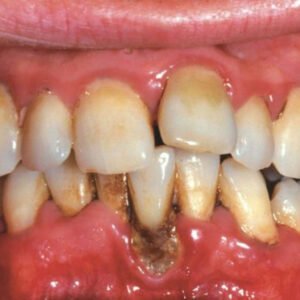
However, if you have active periodontitis, your “twice-a-day” routine needs to be significantly more thorough than the average person’s. You aren’t just cleaning the flat surfaces; you are trying to disrupt the bacteria hiding in the “pockets” that formed during the .
It’s About Quality, Not Quantity
Brushing five times a day with a hard-bristled brush will actually do more harm than good by wearing down your enamel and irritating sensitive tissues. Instead, recommends:
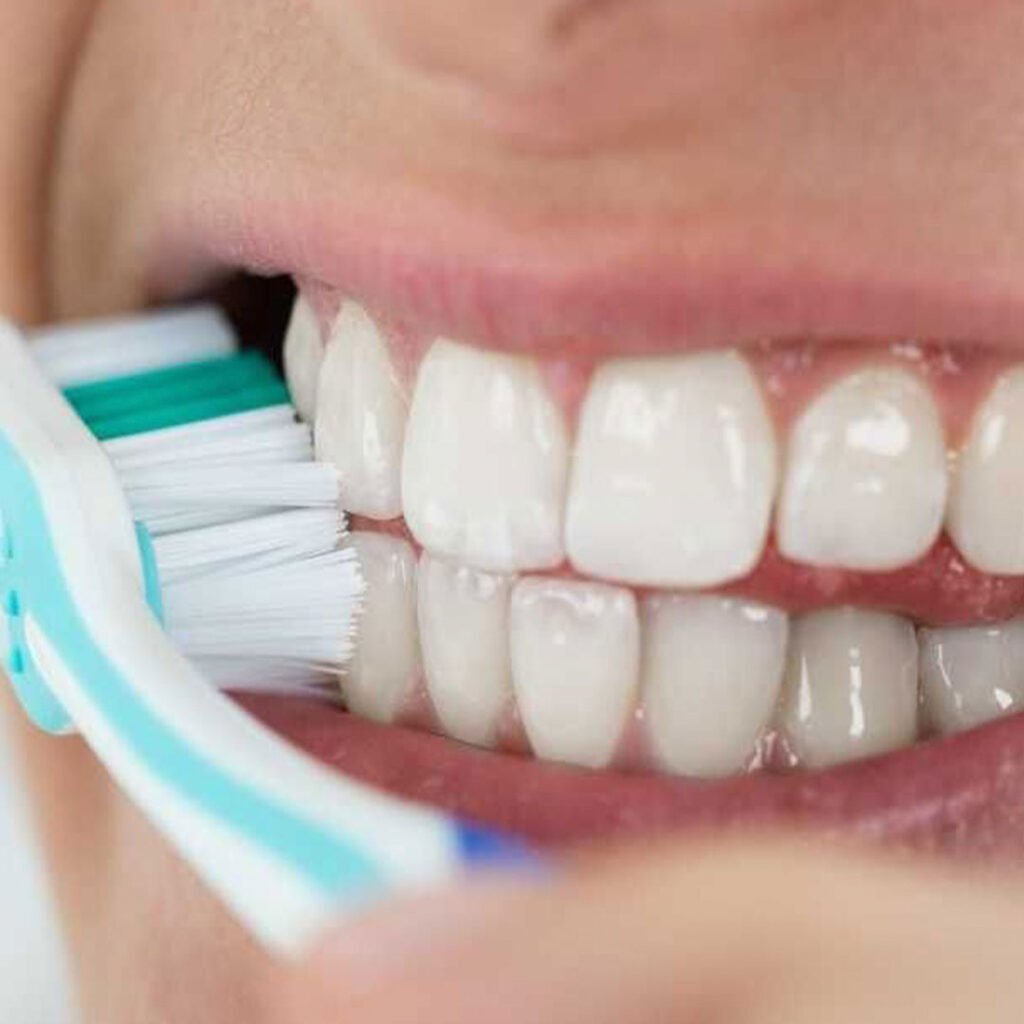
The 45-Degree Angle: Angle your soft bristles toward the gumline. This is called the Bass Method, and it’s designed to vibrate the bristles just slightly under the gum margin.
Two Full Minutes: Most people brush for 45 seconds. Patients in the midst of need the full 120 seconds to ensure every “pocket” is addressed.
Interdental Cleaning: Brushing only cleans 60% of the tooth. To reach the bacteria causing bone loss between teeth, you must use floss or interdental brushes at least once a day.
Why Brushing Isn’t Enough for Deep Pockets
If your periodontal pockets are deeper than 3mm, even the best toothbrush in Chula Vista cannot reach the bottom of the infection. Think of it like trying to clean the bottom of a deep narrow vase with a wide sponge—it just won’t fit.
This is why professional intervention is mandatory. We use to physically remove the hardened tartar (calculus) that your brush can’t budge. Once we’ve cleaned those roots, your home brushing routine finally becomes effective again.
Maintaining Your Results
After you’ve undergone a procedure like , your brushing frequency stays the same, but your “maintenance” schedule changes. We usually see our periodontal patients for every 3 to 4 months to ensure that the 24-hour bacterial cycle doesn’t get the upper hand again.
Stop Guessing and Start Healing
Are you brushing until your gums bleed, or are you avoiding brushing because it hurts? Both are signs that you need a professional evaluation. Let’s look at your and get you on a home-care plan that actually saves your teeth.
or call us at (619) 425-9770 to learn the best techniques for your specific needs.